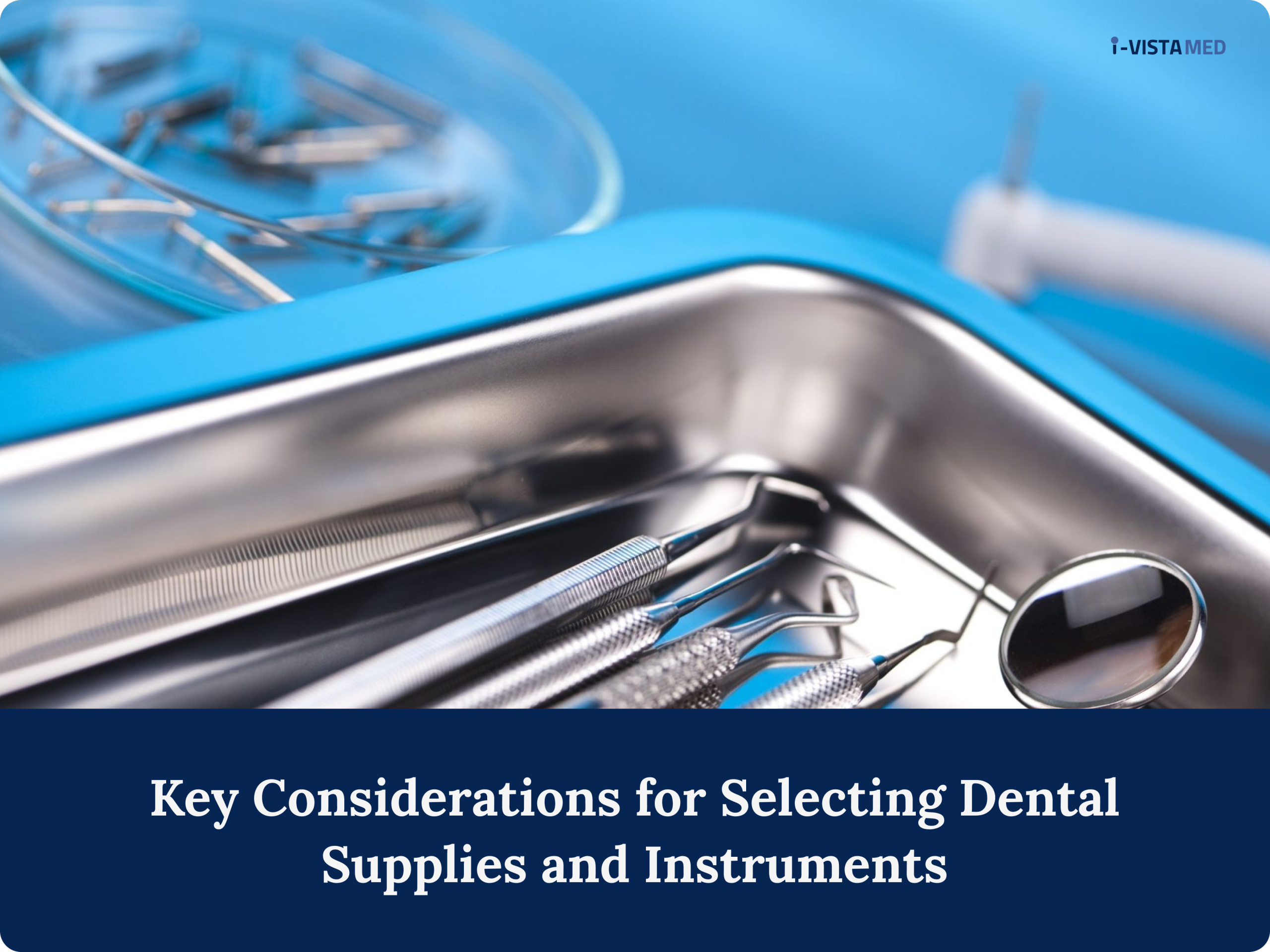
When it comes to providing high-quality dental care, choosing the right dental supplies and instruments is crucial. Dental professionals rely on these tools daily to ensure optimal patient care and successful treatment outcomes. With an extensive range of options available in the market, making an informed decision requires a thorough understanding of several essential factors.
The field of dentistry is constantly evolving, with new technologies and advancements emerging regularly. To deliver high-quality dental care, professionals must stay updated with the latest tools and equipment. Selecting the right dental supplies and instruments is not a decision to be taken lightly. It requires careful evaluation, research, and consideration of your practice’s unique needs. In this guide, we will explore key factors such as quality, compatibility, ergonomics, sterilization and infection control, and cost-effectiveness, helping you make well-informed decisions.
Quality and Durability:
When investing in dental supplies and instruments, quality should be the top priority. High-quality instruments ensure reliability, precision, and longevity, which are essential for delivering high-quality dental care. Look for tools made from durable materials like high-grade stainless steel or titanium, as they offer superior strength, corrosion resistance, and long-lasting performance.
Using low-quality instruments can lead to inefficiencies, frequent replacements, and even risks to patient safety. Inferior materials may degrade over time, affecting the accuracy and effectiveness of treatments. Therefore, it is crucial to source supplies from reputable manufacturers that adhere to strict quality control standards. Reliable suppliers provide warranties, ensuring that the instruments meet industry benchmarks.
Investing in high-quality instruments also improves procedural efficiency. A well-made dental instrument enables smoother handling, reducing the likelihood of errors and enhancing the patient’s overall experience. Whether it’s a set of precise scalers or a durable handpiece, ensuring quality and durability translates into better patient care and long-term cost savings.
Compatibility with Existing Equipment:
Every dental practice operates with a specific set of equipment, and ensuring dental equipment compatibility is key to maintaining smooth workflows. Before purchasing new dental supplies and instruments, check if they seamlessly integrate with your existing setup, including dental units, handpieces, and sterilization systems.
Incompatible instruments can lead to operational disruptions, inefficiencies, and unnecessary expenses. Investing in compatible tools not only ensures efficiency but also allows practitioners to leverage the full capabilities of their technology. Many dental manufacturers provide compatibility guides, making it easier to select suitable products for your practice.
Additionally, consider future-proofing your practice by selecting instruments that work with advanced dental technologies. With digital dentistry on the rise, ensuring compatibility with cutting-edge equipment such as CAD/CAM systems or laser technology can help enhance efficiency and keep your practice ahead of industry trends.
Ergonomics and Comfort:
Dental professionals spend long hours performing intricate procedures, making ergonomic dental instruments an essential consideration. Poorly designed instruments can lead to hand fatigue, discomfort, and even musculoskeletal disorders over time.
When selecting tools, prioritize ergonomics by choosing instruments with comfortable grips, proper weight distribution, and smooth handling. Ergonomically designed instruments improve precision, reduce strain, and enhance overall performance. High-quality dental care is not just about precision but also about ensuring the well-being of the professionals using these tools.
Many manufacturers offer instruments with rubberized grips or custom-molded handles, designed to fit naturally in the hand. Investing in ergonomic tools ultimately benefits both the clinician and the patient by improving treatment outcomes and reducing procedural fatigue.
Additionally, considering the weight of the instruments is essential. Lightweight but durable materials reduce the physical strain on dental professionals, leading to better control and accuracy during procedures. The use of adjustable instruments can also cater to different hand sizes, ensuring comfort for all users.
Sterilization and Infection Control:
Maintaining a sterile environment is non-negotiable in dentistry. Proper sterilization and infection control measures prevent cross-contamination and ensure patient safety. When selecting dental supplies and instruments, consider whether they are easy to clean, sterilize, and maintain.
Instruments with smooth surfaces and minimal crevices are preferable, as they are easier to disinfect. Complex designs may harbor bacteria, increasing the risk of infections. Choose instruments that comply with industry sterilization standards and are compatible with your preferred sterilization methods, whether it’s autoclaving, chemical disinfection, or dry heat sterilization.
Single-use disposable instruments are also an option for maintaining strict hygiene protocols. Although they may have a higher recurring cost, they eliminate the risks associated with inadequate sterilization. Investing in high-quality sterilizable instruments ensures long-term safety and cost-effectiveness.
Additionally, staying updated on sterilization protocols and investing in advanced sterilization technology can significantly reduce infection risks. Using biological monitoring systems, advanced autoclaves, and automated cleaning devices can ensure maximum safety for both patients and dental professionals.
Cost-effectiveness and Value:
While quality and performance are paramount, cost-effective dental tools also play a significant role in decision-making. Budget constraints are a reality for most dental practices, making it essential to strike a balance between affordability and quality.
Compare prices from different suppliers and evaluate the long-term value of your investment. A lower initial cost may seem appealing, but poor-quality instruments may wear out quickly, leading to frequent replacements and higher expenses over time. Consider factors such as product warranties, supplier reputation, and after-sales support to assess the overall cost-effectiveness of a product.
Bulk purchasing and subscription-based supply models can also help reduce costs while ensuring a steady supply of essential tools. Investing wisely in dental supplies and instruments minimizes long-term expenses and enhances operational efficiency.
Additionally, tracking inventory and managing supply chains efficiently can help avoid overstocking or understocking. Implementing a digital inventory management system can help dental professionals optimize their supply usage, further reducing unnecessary expenses.
Making an Informed Decision:
Selecting the best dental supplies and instruments involves a comprehensive assessment of your practice’s needs. By considering quality, compatibility, ergonomics, sterilization, and cost-effectiveness, you can ensure optimal performance, patient safety, and long-term value.
When sourcing dental instruments, it is advisable to research trusted brands, read customer reviews, and consult industry experts. Many dental supply companies offer product trials, allowing professionals to test instruments before making a final purchase. Additionally, staying updated on industry advancements and attending dental trade shows can provide valuable insights into the latest innovations.
By making informed decisions, dental professionals can enhance their practice’s efficiency, improve patient outcomes, and uphold the highest standards of high-quality dental care. Investing in superior dental supplies and instruments is an investment in the success of your dental practice.
Final Thoughts:
Choosing the right dental supplies and instruments is a crucial aspect of running a successful dental practice. Prioritizing quality, compatibility, ergonomics, sterilization and infection control, and cost-effectiveness ensures that you select tools that contribute to better patient care and seamless workflow.
By staying informed and making strategic purchasing decisions, you can ensure that your dental practice remains equipped with the best tools available. Whether upgrading existing equipment or expanding your toolkit, carefully evaluating your options will lead to better clinical outcomes and overall efficiency.
For the best results, always partner with reliable suppliers and invest in cost-effective dental tools that align with your practice’s goals. With the right choices, you can deliver high-quality dental care while optimizing efficiency and long-term success.